
Every August, National Golf Month invites golfers, and plenty of curious newcomers to pick up a club, walk a course, and rediscover a game that has been quietly building community and encouraging healthier living for well over a century. Most people think of golf as a leisure pursuit, a weekend hobby, or a networking excuse. Few think of it as a legitimate tool for exercise, stress management, and self-reward. After four decades of treating patients whose struggles with food are almost always struggles with stress — and whose “treats” after a good day are almost always food. I want to make the case that Golf deserves a place in any serious conversation about self-care. And no, this is not one of my more colorful patients’ definition of self-care, which may involve a bottle of Cabernet and a standing reservation.
Why a Round of Golf Is More Than a Round of Golf
The physical case for golf is stronger than most people realize. A golfer who walks eighteen holes racks up roughly 12,000 steps, about five to six miles, comfortably clearing the daily goal of 10,000 steps before the round is even over. Take the cart, and that number drops to somewhere between 4,000 and 8,000 steps for the same round. My advice, as both a Psychologist and a Weight Loss Strategist, and as someone who has watched a great many patients “forget” to walk, park the cart. Your legs, and your waistline will notice the difference even if your ego insists it’s just for the golf.

Depending on terrain and whether clubs are carried or pulled, all that walking adds up to several hundred calories burned before a single bite of the clubhouse lunch is considered, which, incidentally, is where most of the day’s real caloric drama tends to unfold. But the physical benefit is only half the story, and in my experience, it is rarely the half that keeps people coming back.
The other half is what happens to the nervous system. Time spent in green, open spaces has been shown to shift the body out of the fight-or-flight state and into a calmer, parasympathetic one; the same state we are chasing when we tell an anxious patient to slow down and breathe. Add in the fact that golf demands sustained, quiet concentration on a single small target, shot after shot, and you have something close to a moving meditation. If you’re out on the course with your friend, you can’t beat that feeling. Good friends, blue sky, green trees and grass, a gentle breeze, one goal and focus, get the ball into the hole. It is very hard to ruminate about a gnarly or knotted problem, a difficult email or a family conflict while you are reading a break on the seventh green. The ball, mercifully, does not care about your inbox.
Where Golf and Behavioral Nutrition Meet
This is precisely where National Golf Month intersects with the work I have spent my career developing: Behavioral Nutrition. In my published research, I have argued that excess weight is rarely a simple math problem of calories in versus calories out. Instead, it is a symptom usually of a sabotaging dynamic between stress and a great many other factors that has never been properly identified, interrupted and replaced. My patients almost always already know what they should eat. If knowing were enough, I would have retired decades ago. What they lack is a strategy for the moments when stress, boredom, or fatigue hijack their judgment.
Golf offers exactly the kind of behavioral substitution I look for when building a patient’s personalized plan. Instead of reaching for the pantry after a difficult day, a round on the course, or even thirty minutes on the driving range — provides the same physiological relief that stress eating falsely promises: a drop in cortisol, a shift in mood, a sense of mastery and accomplishment. The difference is that golf delivers that relief without a single calorie, and it leaves you with better posture, a stronger core, and a clearer head instead of guilt and a second helping.
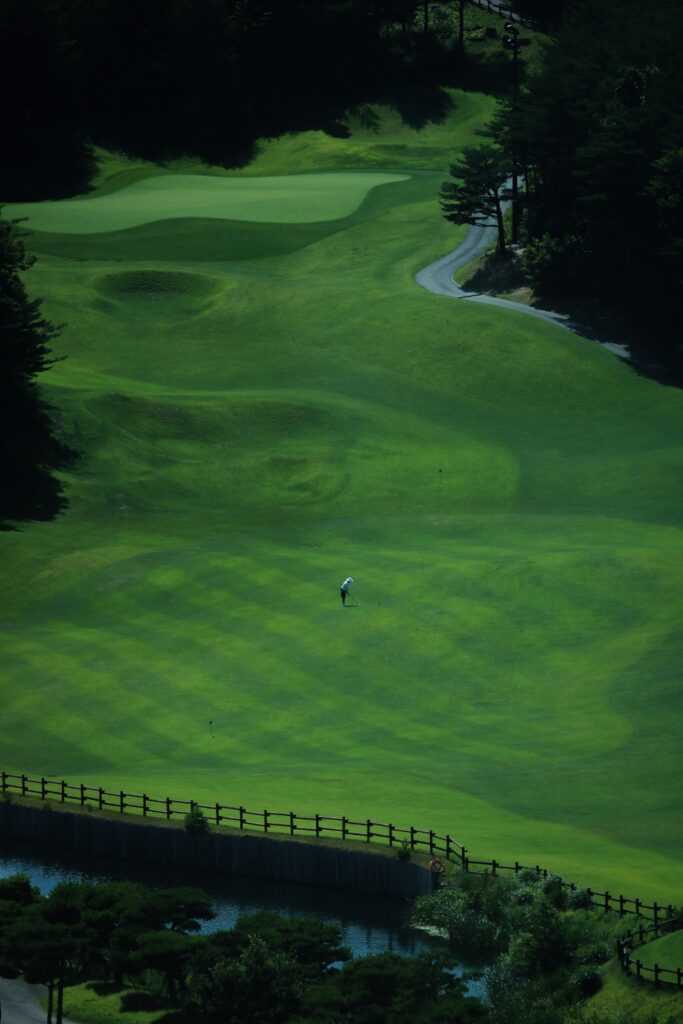
This is not a coincidence. I often remind my patients that strategy is stronger than willpower. Willpower can collapse under stress, fatigue, and boredom, the very conditions that drive most overeating. It’s a wonderful concept in theory and a notoriously poor performer in practice, especially at nine o’clock at night in front of an open refrigerator. A round of golf, on the other hand, is a strategy. It restructures the hours of the day when a patient would otherwise be vulnerable, replaces an old, automatic response to stress with a new, healthier one, and does it in a way that feels like reward rather than restriction.
Rethink the Reward: Golf Instead of a Food Treat
One of the most common patterns I see in my practice has nothing to do with stress eating in the moment. I t happens after the good day, not the bad one. A patient closes a big deal, finishes a hard project, or simply survives a long week, and the instinctive next move is a “reward” of pasta, a bottle of wine, or dessert. The achievement is real. The problem is the currency we have been taught to pay ourselves in.
This is one of the most overlooked opportunities in Behavioral Nutrition: replacing food-based rewards with experience-based ones. A tee time does everything a food reward promises and none of what it costs. It marks the occasion. It gives you something to look forward to on the calendar, the same anticipatory lift patients describe when they are planning a special meal, minus the inevitable regret that follows the breadbasket. It delivers a genuine sense of accomplishment, competition, fresh air, and time with people you enjoy without a single calorie attached to the celebration. And unlike a food reward, which is over in minutes, a round of golf extends the good feeling for hours and leaves you with better fitness, not a heavier scale the next morning.
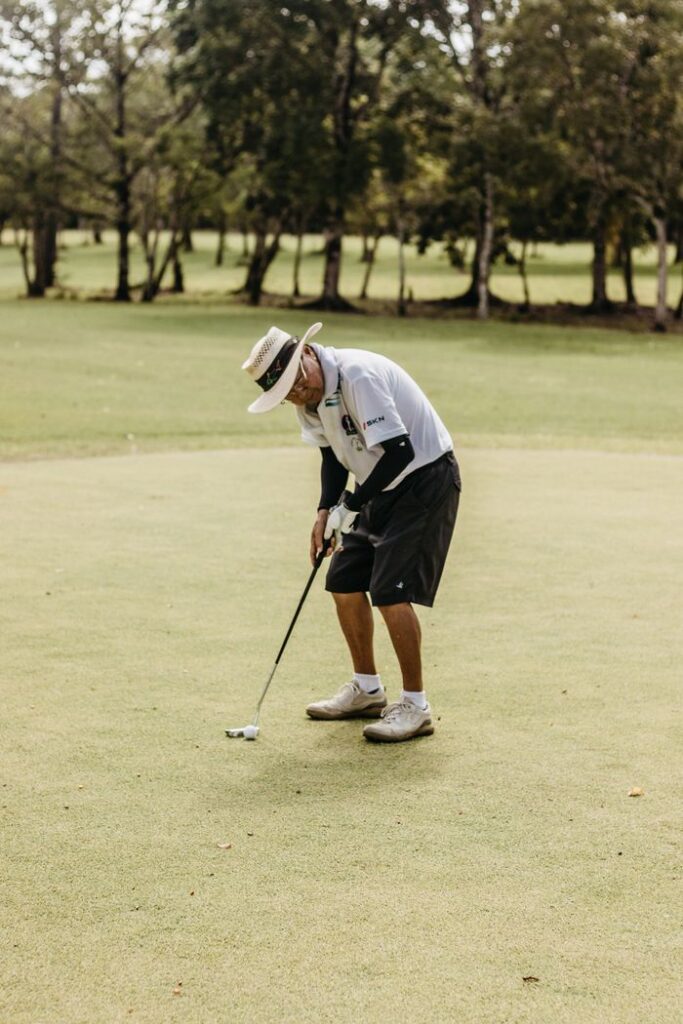
I encourage patients to build a personal list of non-food rewards precisely, so they have something ready to reach for when the instinct to celebrate with food kicks in. For many of my golfers, that list starts and ends with eighteen holes followed, perhaps, by a modest club sandwich rather than the whole clubhouse menu.
Recognizing Your Own EatingPrint™ on the Course and in Life
Every human and every patient I work with has a unique EatingPrint™. It is what, how, when and why of your eating history. It is the sum total of foods, behaviors, situations, and moods that prompt you to lose control of food in your life. These trigger foods, trigger behaviors, triggers situations, and trigger emotions never truly leave you. You may diet, you may fast, but ultimately you will return to the pattern of your EatingPrint unless you learn to permanently void and control these triggers.
For some patients, stress at the end of the workday is the trigger. For others, it is unstructured weekend time, or the isolation that comes with working from home. National Golf Month is a useful moment to ask a simple question: what would happen to your most vulnerable hours if you filled them with a walk on the course instead of a walk to the refrigerator?
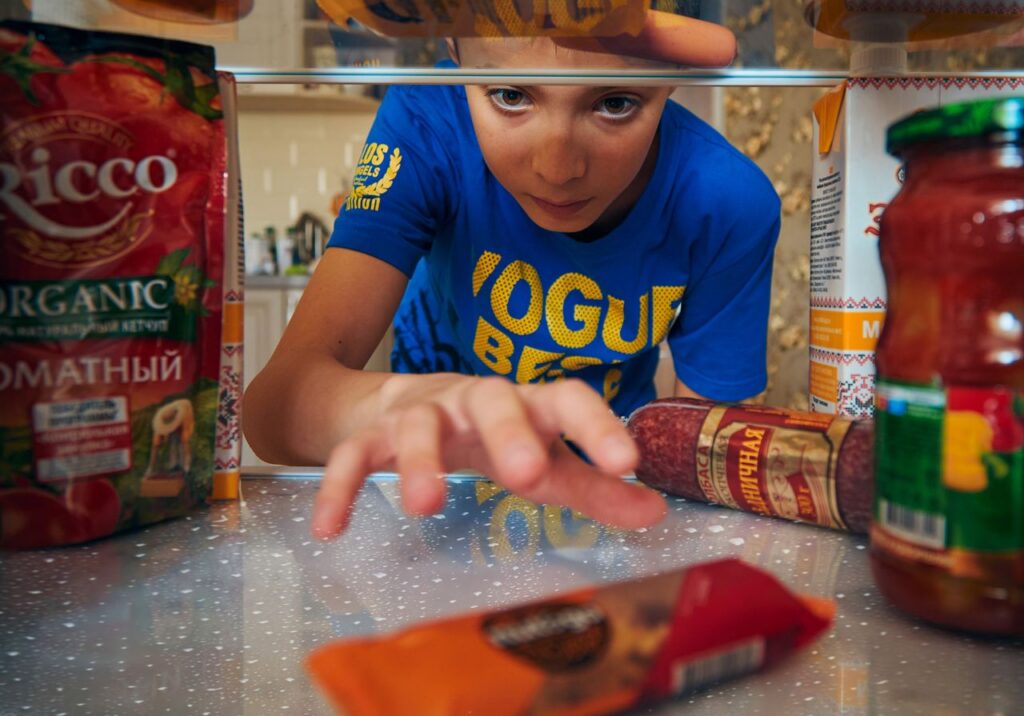
Golf will not rewrite anyone’s EatingPrint™ on its own, I wish it were that simple, and I’d have taken up the game professionally decades ago. But it is a powerful example of the kind of environmental redesign that Behavioral Nutrition depends on changing the setting, so the healthy choice becomes the automatic one, rather than the one requiring heroic self-control.
Care for Yourself This August
This month is a reminder that self-care rarely looks like deprivation. It looks like sunlight, movement, focus, and connection with the people you play alongside. Whether you are a lifelong golfer or you have never picked up a club, this month is an invitation to notice how much your environment shapes your stress, and, in turn, your eating. Consider it cheaper than therapy and far more scenic, though I’ll happily offer both. Tell your person Dr. Gullo says it’s okay to hit the golf course.
Ready to Build a Strategy That Lasts?
Golf can be one piece of a much larger plan. If stress, emotional eating, or a pattern of losing and regaining the same weight has been part of your story, it may be time to identify your own EatingPrint™ and build a personalized strategy around it, the same way I have helped patients do for over forty years, including many nationally recognized physicians, executives, movie stars, presidents, heads of state, and public figures.
Call Dr. Stephen Gullo at The Center For Health Sciences (212) 734-7200 to schedule a consultation for life coaching, Behavioral Nutrition, and sustainable weight loss. A successful self-coached athlete is a rarity if not almost an impossibility, and there is no reason to navigate stress, food, and lasting change alone.
Change starts with a single step. Let’s take this one together, preferably on the fairway, not the buffet line.